Black & Grey Tattoos in Amarillo
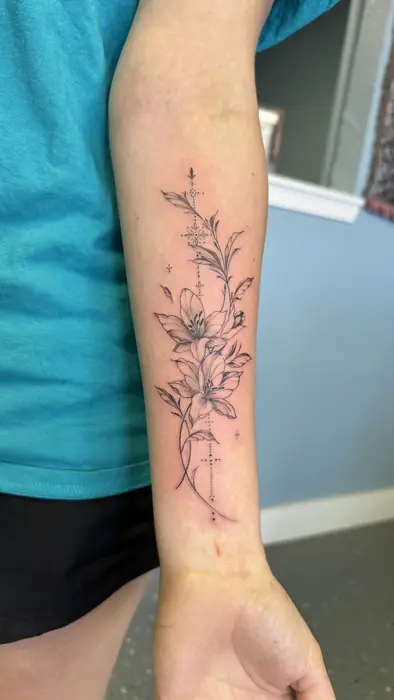
All the depth of a full-color piece, built from black ink and water. Black and grey uses diluted washes to make soft gradients and photographic depth — the most versatile style in the shop, and the one that sits quietly under a shirt.
Black & Grey tattoos out of the shop
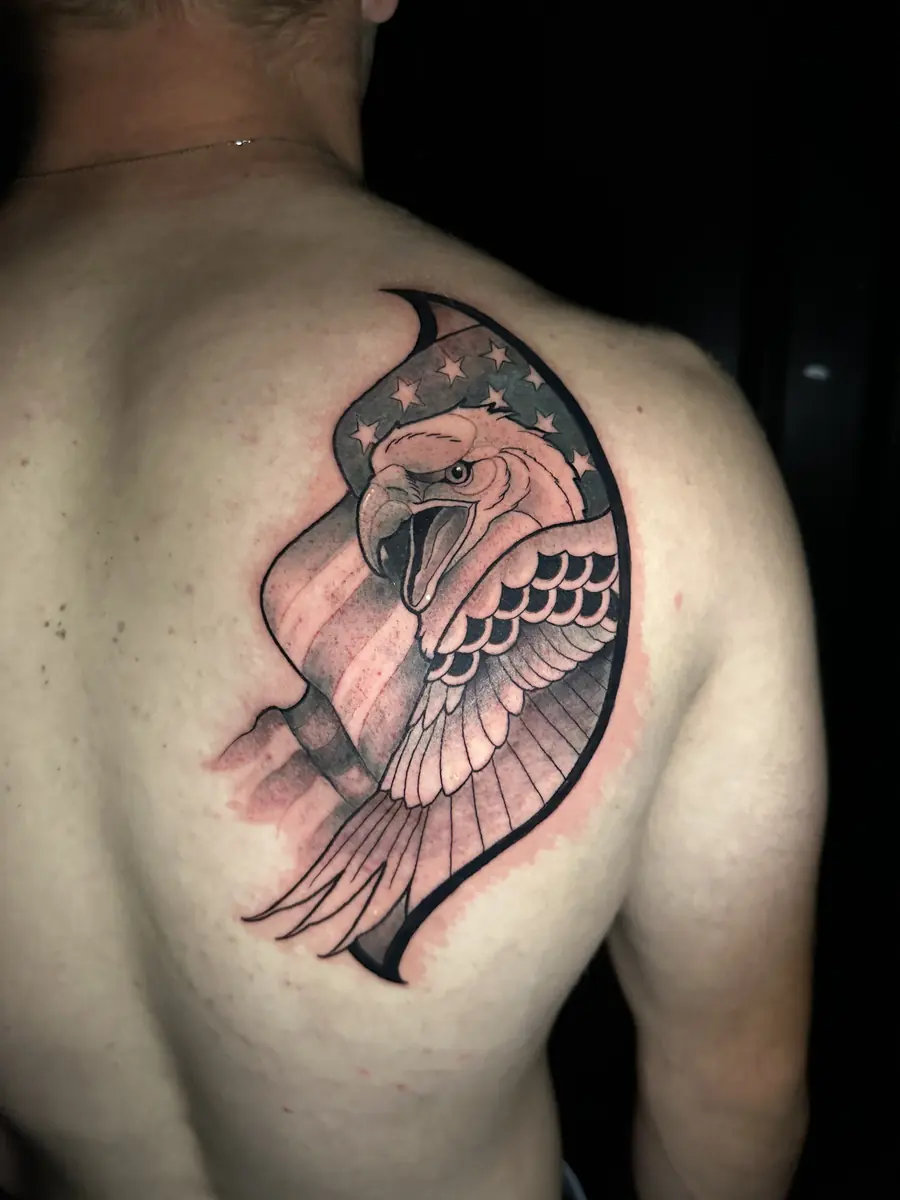
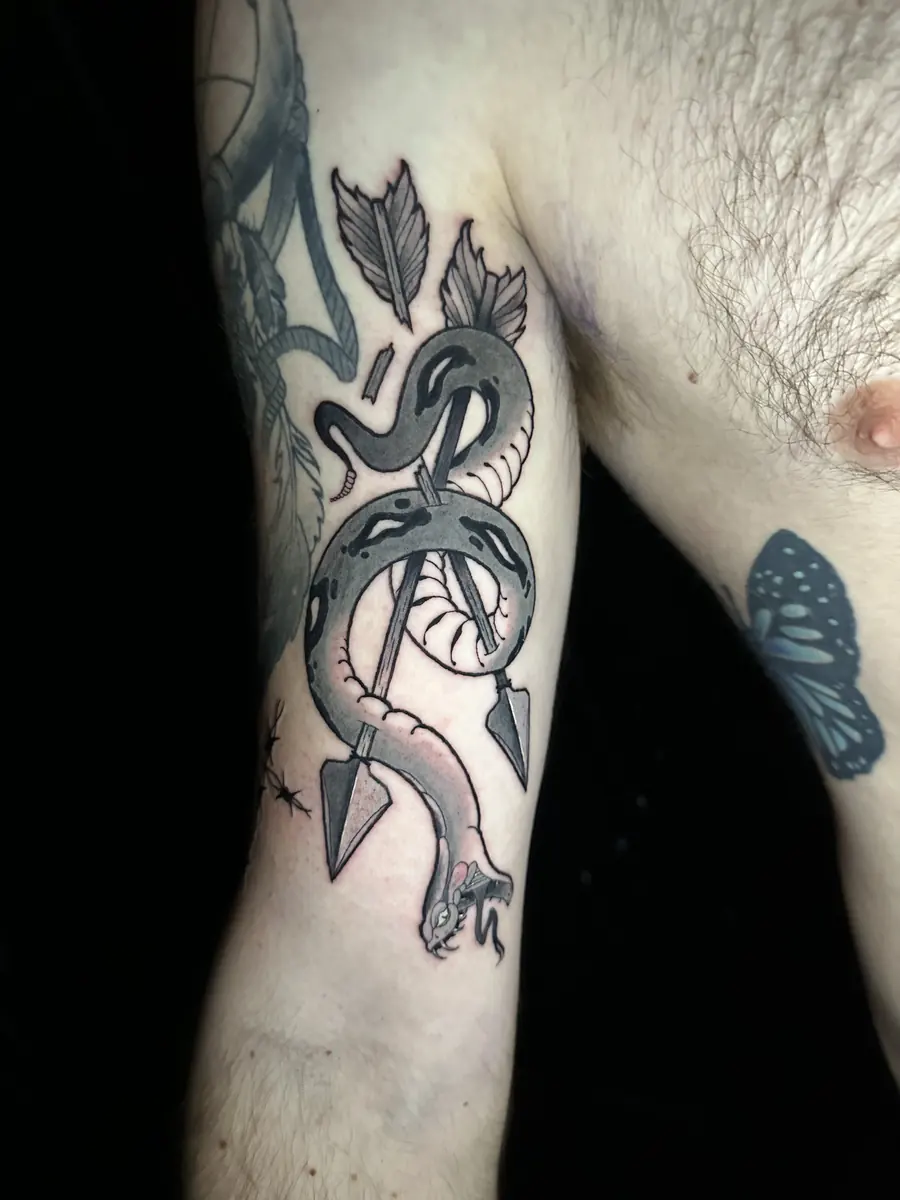
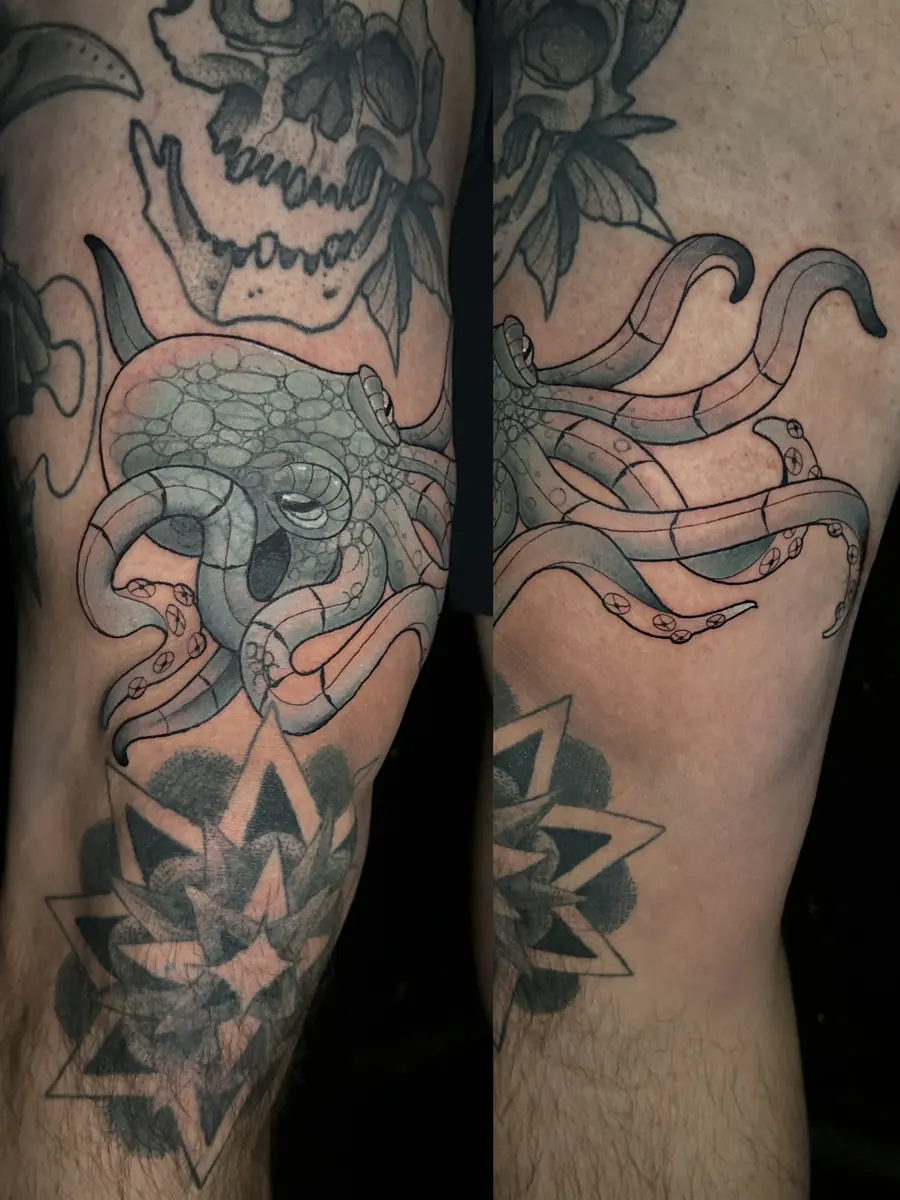
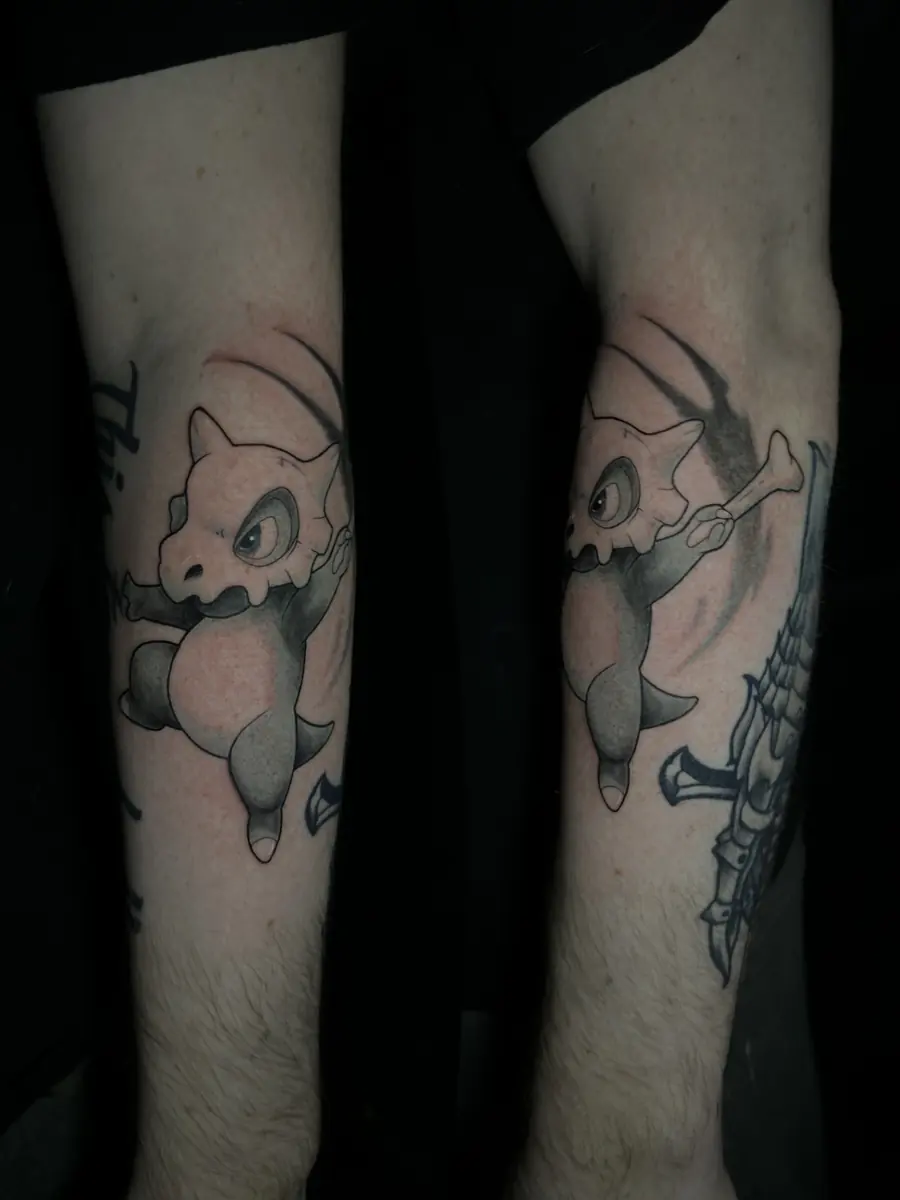
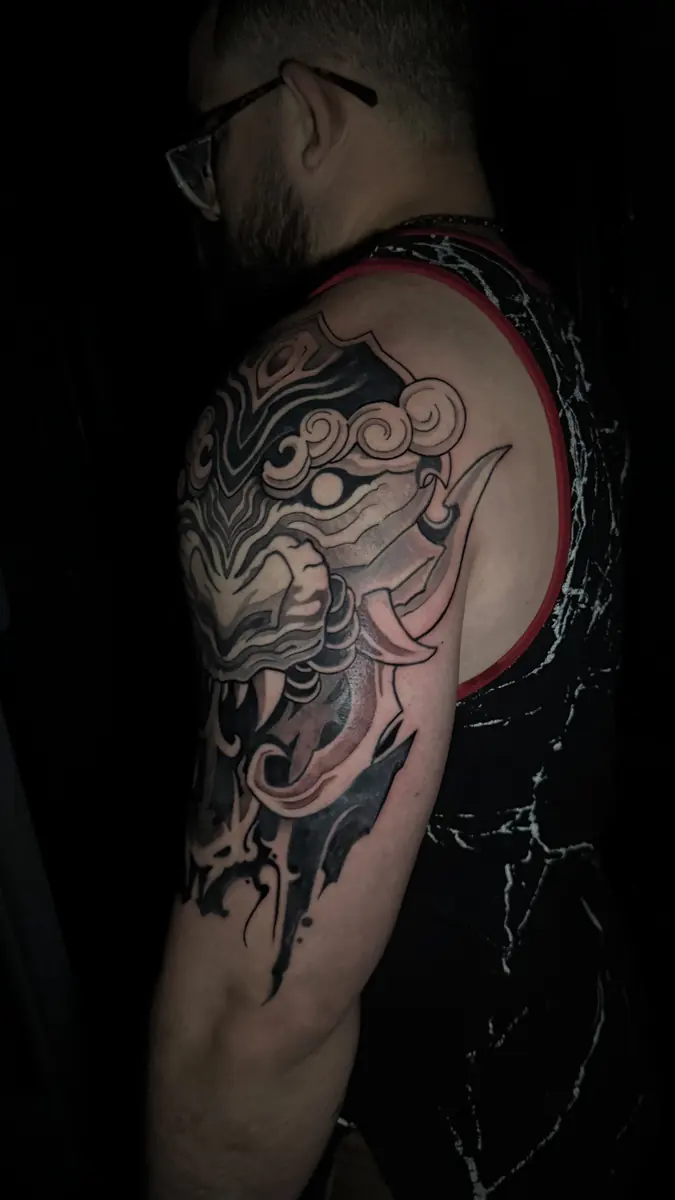
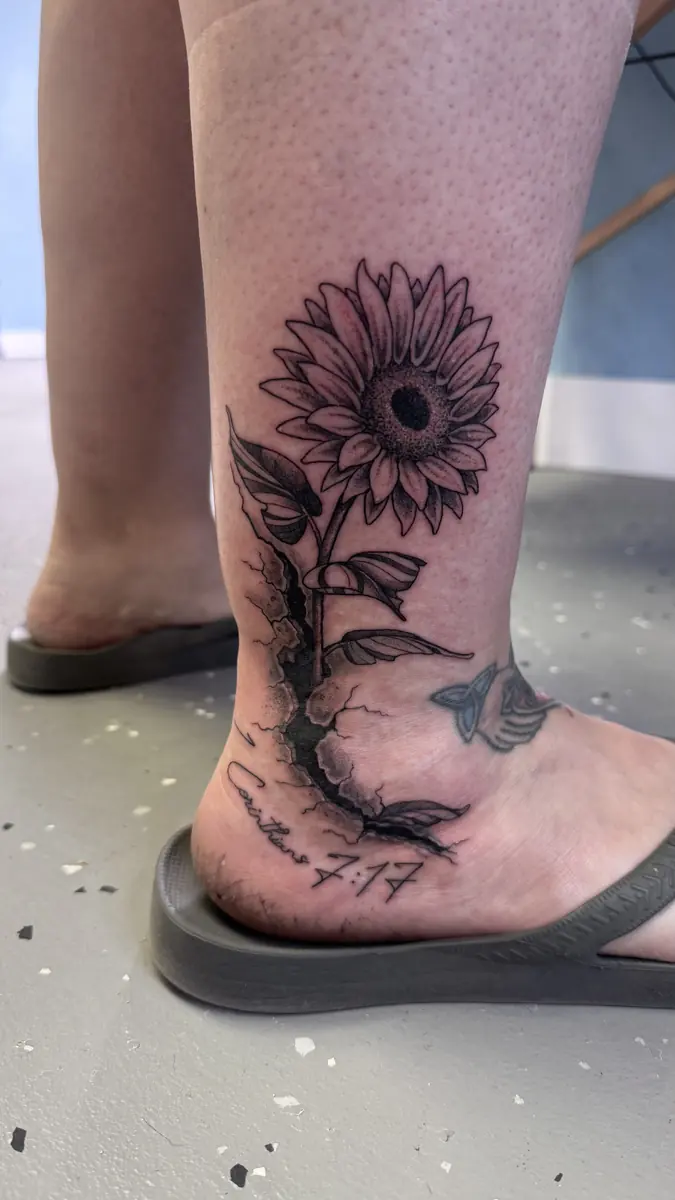
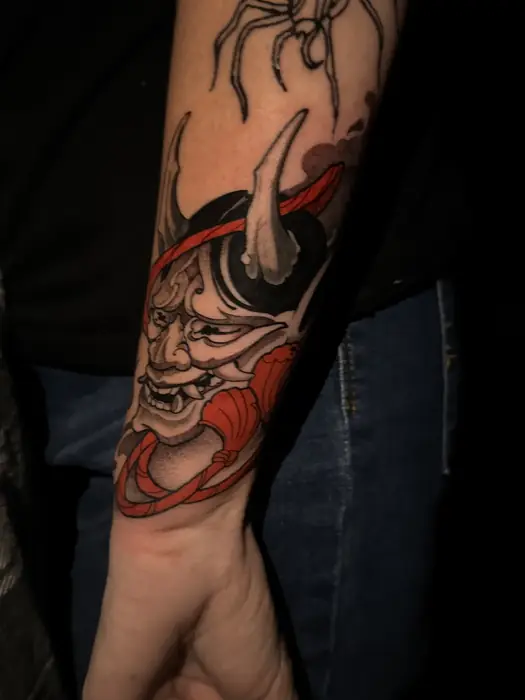
Every photo on this site is real work by Blind Fox artists. Galleries are grouped by style — ask us who tattooed a particular piece and we’ll tell you.
What black and grey is
Black and grey is built from a single pigment thinned to different strengths. Instead of outlining and filling with color, the artist builds form out of value: a true black anchor at the darkest points, mid greys through the body of the piece, and untouched skin doing the work of the highlights.
That makes it the closest tattooing gets to drawing with a pencil. It handles the subjects color struggles with — a portrait, fur and feathers, stone, smoke, chrome — and it reads the same way on every skin tone.
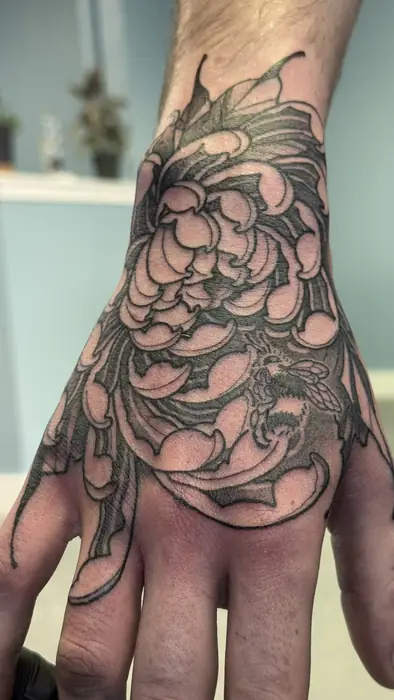
It also spans an enormous range. A soft, almost-faded floral and a high-contrast piece inside a hard black frame are the same style; the difference is how far you push the contrast.
How we approach it
Contrast is the entire job. A black and grey piece made only of mid-tones looks soft on day one and muddy in ten years, so every piece keeps a genuine black anchor and protected highlights. How smoky, how graphic, how soft — that part is your call.
Worth knowing: black and grey and blackwork overlap here. Several pieces in this gallery would be just as at home on the blackwork page, and a few of the shop's photos were sent to us labeled as both. We'll lean either direction depending on what you want.
What it's good for
Portraits and pet portraits. Realistic animals and nature. Memorial pieces. Ornamental and geometric work. Characters and illustration. And cover-ups or rework where adding color would only fight what's already in the skin. It's also the usual answer for anyone who wants something substantial that still reads as understated.
Choosing your contrast: soft, mid or graphic
Almost every decision in a black and grey piece comes down to one question: how much contrast do you want? It's worth answering deliberately, because the same subject looks like three different tattoos depending on the answer.
Soft is the lightest end — smooth greys, gentle transitions, minimal black, the almost-airbrushed look that reads as understated from a distance. It's beautiful and it demands the most from placement and aftercare, because there's less structure holding the image together. Mid is where most of our work sits: a real black anchor at the focal point, a full range of greys through the body, clean highlights left in the skin. It reads well close up and far away and it ages the most gracefully. Graphic is the far end — hard black shapes, high contrast, sometimes a frame or a heavy background — closer in spirit to the blackwork page, and the most durable of the three.
Skin tone matters here, and not in the way people often assume. Black and grey works on every skin tone; what changes is where the usable range sits. On deeper skin tones the lightest greys have less room to separate from the skin itself, so we build the piece with a wider black-to-mid range and rely on shape and silhouette rather than the faintest washes. Any artist who tells you a style simply doesn't work on your skin is telling you about their own experience, not about your skin.
Black and grey runs through most of the work in this shop rather than belonging to one chair. Tell us what you have in mind and we'll match you with the right artist for it.
Black & Grey questions, answered
Is black and grey the same thing as blackwork?
They overlap, but no. Blackwork is about solid black and negative space; black and grey is about shading and gradients. Plenty of tattoos use both, which is why a few pieces on this site could sit on either page.
Does grey wash fade faster than black?
The lightest greys are the most delicate part of the piece and they settle first. That's why we keep a real black anchor and leave clean highlights — so the tattoo still reads once the mid-tones soften. Sun is the biggest factor by a wide margin; sunscreen is the cheapest insurance you can buy for a tattoo.
Can you tattoo a portrait from my photo?
Yes — bring the highest-resolution photo you have, ideally with clear lighting and real contrast. A phone snap of a printed photo loses the detail the tattoo needs. At the consult we'll tell you honestly whether the reference can carry the size you're asking for.
Can you add color to a black and grey tattoo later?
Sometimes, and it's worth deciding early rather than late. Color over grey wash tends to read muddy unless the piece was built expecting it, so the cleaner route is usually to add color around the existing work — a background, a frame, accents — rather than on top of it. Bring the piece in and we'll map out what's actually possible.
Ready to start a black & grey piece?
Call the shop, tell us what you have in mind, and we’ll book you a free consultation. Mon–Sat · 12–8 PM.
